
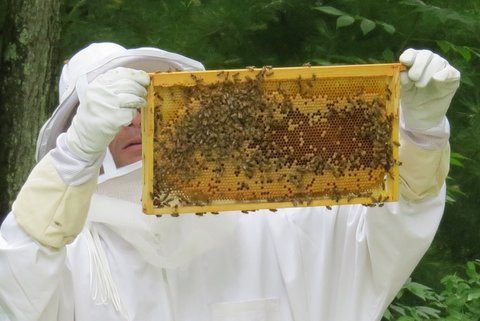
We went with 10 hives into the winter, but:
Prolonged exposure to extremely cold winter weather as it happened this year, particularly when temperatures remain below 15°F (-9°C), can have a devastating impact on honeybee colonies. Bees rely on forming a tight cluster to generate warmth and protect the queen; however, extended cold spells may overwhelm their ability to maintain a stable hive temperature. As the cluster shrinks or struggles to stay warm, bees become increasingly vulnerable to chilling, which can lead to mass mortality.
Cold weather also limits bees’ movement within the hive, preventing them from reaching stored honey. When bees cannot access their food reserves, starvation may occur even when honey is present. According to experts from the University of Minnesota Bee Lab and Ontario Beekeepers’ Association, winter losses are often worsened by prior stressors, such as mite infestations, insufficient fall feeding, or moisture buildup inside the hive.
In addition, the length and severity of cold periods we saw this year hinder bees’ ability to perform cleansing flights, which are crucial for maintaining hive hygiene. The combined effect of freezing temperatures, inability to access food, and accumulated waste increases the risk of colony collapse. Studies from the USDA and American Bee Journal emphasize that successful overwintering depends on adequate hive insulation, healthy bees, and proper food supplies. Without these, survival rates drop dramatically in prolonged cold.
Ultimately, severe and extended cold spells below 15°F pose one of the greatest threats to honeybee health during winter, often resulting in high losses for beekeepers.
The verdict is not a 100% out so we will see what the spring will tell us about our bees.
Let’s keep the fingers crossed.